
EMDR Therapy in Denver
Adults & Children
If you or your child are struggling with the effects of trauma, anxiety, or overwhelming experiences, EMDR therapy can help.
EMDR (Eye Movement Desensitization and Reprocessing) is a research-supported approach that helps the brain and nervous system process difficult memories so they no longer feel like they are happening in the present.
At Sarah Smith Counseling, I offer EMDR therapy for adults and children in Denver, Colorado, using a relational, paced approach that prioritizes safety, choice, and nervous system regulation
What Is EMDR Therapy?
EMDR is a trauma therapy that helps the brain reprocess distressing memories that have become “stuck.” When trauma occurs, the brain may not fully process the experience, leaving the memory stored with intense emotions, body sensations, and beliefs that continue to show up long after the event is over.
EMDR uses bilateral stimulation (eye movements, tapping, or sounds) to support the brain’s natural healing process. Over time, memories become less distressing, emotional reactions soften, and the nervous system learns that the danger has passed.
EMDR doesn’t erase what happened — it helps your body and brain understand that it’s over.
EMDR Therapy for Adults
Healing Trauma, PTSD, and Attachment Wounds
Many adults come to EMDR therapy feeling “stuck” — even if they’ve tried therapy before. You may intellectually understand your past, yet your body still reacts as if the threat is ongoing. EMDR works at the level where trauma is stored: the nervous system.
I work with adults navigating:
Childhood trauma or emotional neglect
PTSD and complex trauma (C-PTSD)
Relationship and attachment wounds
Anxiety rooted in past experiences
Traumatic events such as accidents, losses, or medical trauma
EMDR for adults is always collaborative and paced. We focus first on safety, regulation, and preparation before processing any memories. You remain in control throughout the process.

EMDR Therapy for Children
Helping Children Heal Through Developmentally Sensitive EMDR
Children often don’t have the words to explain what they’re carrying. Trauma may show up as behavior changes, anxiety, emotional outbursts, regression, or difficulty with separation and relationships.
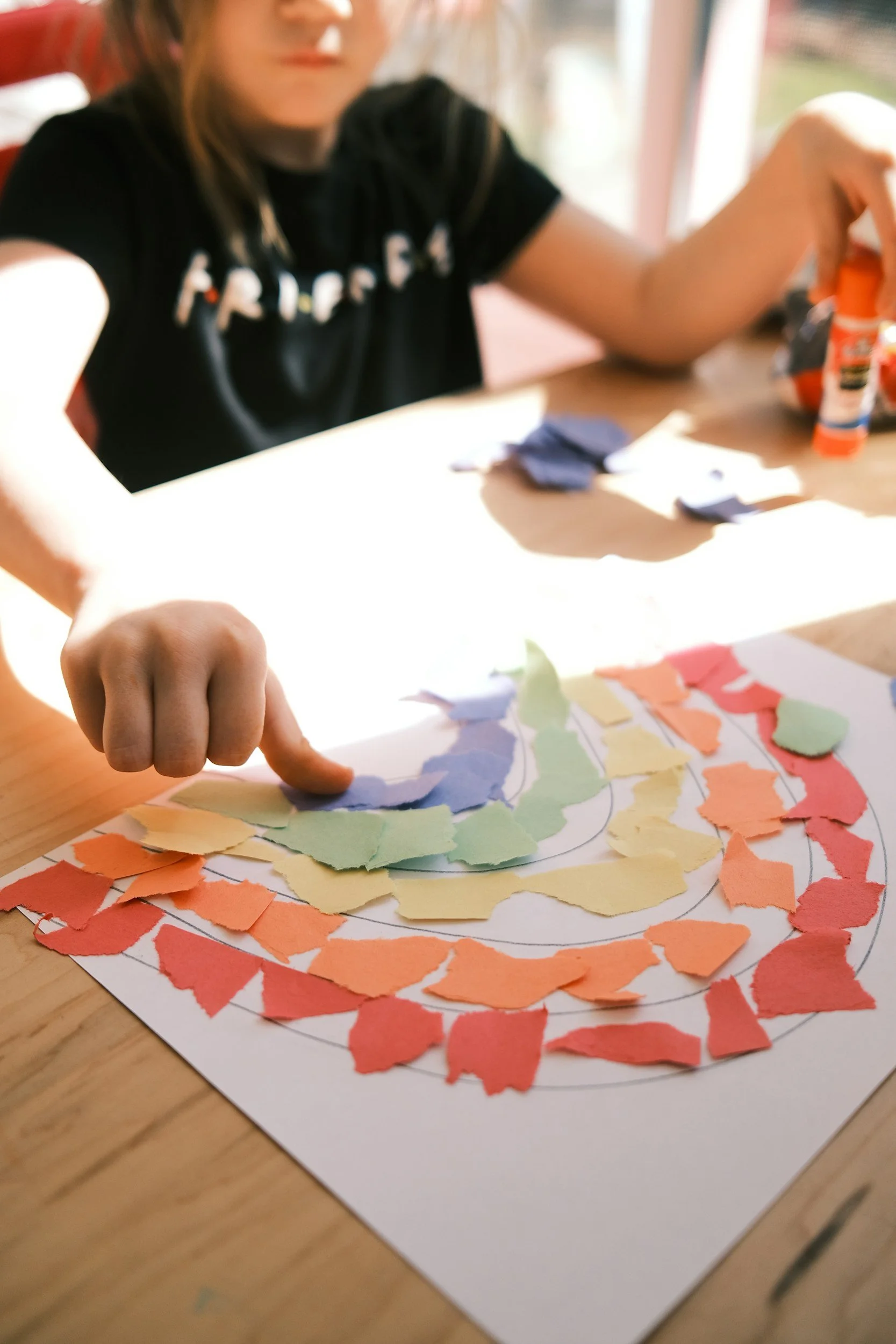
EMDR therapy for children is adapted to meet them where they are developmentally. Sessions may include:
Play, drawing, or movement
Storytelling or imagery
Bilateral stimulation adapted for children
Parent involvement when appropriate
EMDR can help children process experiences such as:
Medical procedures or hospitalizations
Accidents or sudden losses
Family changes or disruptions
Witnessing distressing events
Ongoing stress or anxiety
My approach to EMDR with children emphasizes felt safety, connection, and play, while supporting their nervous system in integrating experiences in a gentle way.
If you or your child struggles with anxiety, trauma, fears, or distressing memories, EMDR therapy may be the right approach. My therapy sessions are designed to be fun, supportive, and effective in the healing process.
How Play is Integrated Into EMDR for Children

1. Creating Safety & Trust Through Play
Before beginning EMDR processing, therapists use play-based activities to build rapport and create a sense of security. Some effective techniques include:
Drawing & Art Therapy – Helps children express emotions they may not have words for.
Puppet Play – Allows children to act out feelings and experiences in a safe way.
Sand Tray Therapy – Helps children visualize and express emotions through symbolic play.
These activities help reduce anxiety and prepare children for the EMDR process.
2. Identifying “Stuck” Feelings with Playful Exploration
Many children struggle to articulate distressing emotions. Play provides a gentle and engaging way to identify triggers, fears, and negative beliefs. Some play-based approaches include:
Emotion Cards & Games – Helps children recognize and name their feelings.
Therapeutic Dolls & Figures – Encourages self-expression through role-play.
Interactive Storytelling – Gives children a way to describe difficult experiences through metaphor.
By using these creative techniques, therapists help children safely access and externalize distressing emotions.
3. Bilateral Stimulation Through Play
A key part of EMDR therapy is bilateral stimulation (BLS), which helps the brain reprocess distressing memories. For children, this can be incorporated through:
Rhythmic Clapping or Tapping Games – Engages both sides of the brain.
Following a Wand or Light – A playful way to guide eye movements.
Jumping or Marching in Place – Adds movement to the reprocessing phase.
These playful activities make EMDR more engaging while maintaining its effectiveness.
4. Processing & Strengthening Positive Beliefs Through Play
Once a distressing memory is reprocessed, therapists help children build positive self-beliefs. Play can be used to reinforce these changes through:
Writing or Illustrating a “Brave Story” – Helps children see themselves as strong and capable.
Role-Playing Strength & Resilience – Encourages confidence-building through pretend play.
These activities help children integrate new, empowering beliefs about themselves.
5. Grounding & Calming with Play-Based Techniques
To end each EMDR session, therapists use playful grounding activities to help children regulate emotions and feel calm. Techniques include:
Listening to Soothing Sounds or Music – Helps with emotional regulation.
Fidget Toys & Sensory Play – Provides a physical outlet for emotions.
Imagining a “Safe Place” – Guided visualization to promote security.
These activities help children leave therapy sessions feeling supported and in control.
Recent Blog Posts